
HDHP: Financial Structure
- Minimum Deductible (2023):
- Individual: $1,500
- Family: $3,000
- Lower Monthly Premiums
- Higher Out-of-Pocket Costs (before coverage)
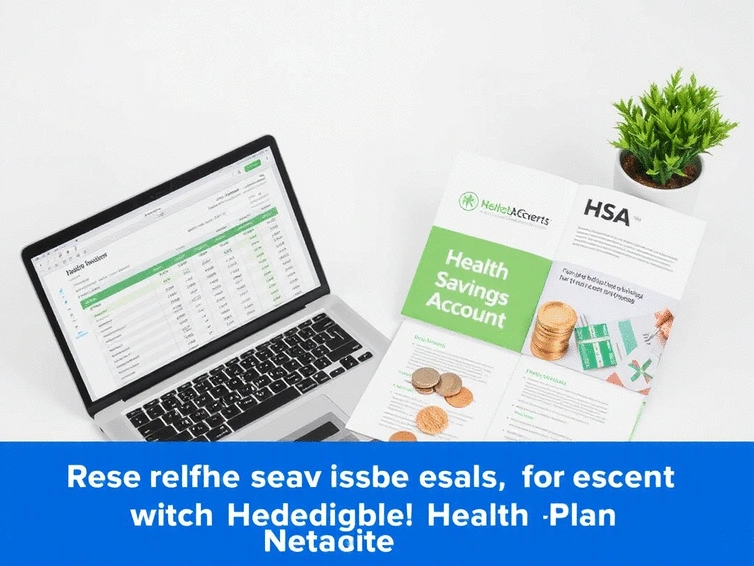
As the landscape of health insurance continues to evolve, understanding the intricacies of Health Savings Accounts (HSAs) and High Deductible Health Plans (HDHPs) is more crucial than ever. From tax benefits to smart budgeting strategies, navigating these options can empower you to make choices that best suit your healthcare needs.
This visual outlines the core features and benefits of High Deductible Health Plans (HDHPs) and Health Savings Accounts (HSAs).
Navigating the world of health insurance can be challenging, but understanding Health Savings Accounts (HSAs) and High Deductible Health Plans (HDHPs) is crucial for making informed decisions about your healthcare. An HDHP is defined by its higher deductibles compared to traditional health plans, which means you'll pay more out-of-pocket before your insurance kicks in. For 2023, the minimum deductible for an HDHP is $1,500 for individuals and $3,000 for families, highlighting the need for careful budgeting and planning.
These plans typically offer lower premiums, making them appealing to many individuals and families. However, it's essential to understand how these plans operate within the broader healthcare system. By pairing an HDHP with an HSA, you can optimize your healthcare spending while enjoying tax advantages. This combination allows you to save money for medical expenses and gives you flexibility and control over your healthcare.

So, what exactly are HDHPs? In simple terms, they are health insurance plans with higher deductibles and lower monthly premiums. The higher deductible means that you’ll need to pay more out-of-pocket for healthcare services before your insurance starts covering costs. Here are some key features of HDHPs:
Understanding these features can help you evaluate whether an HDHP aligns with your healthcare needs and financial situation.
A Health Savings Account (HSA) is a special type of savings account designed to help you save for medical expenses while enjoying tax benefits. To be eligible for an HSA, you must be enrolled in an HDHP, allowing you to contribute pre-tax dollars into this account. Here’s what you need to know about HSAs:
With these features, HSAs can be a valuable tool for managing healthcare expenses and planning for future medical needs.
When it comes to HSAs, there are specific contribution limits you should be aware of. For 2023, individuals can contribute up to $3,850, while families can contribute up to $7,750. If you’re over 55, you can even add an additional $1,000 catch-up contribution. These limits are important to consider as you plan for your healthcare expenses and savings.
It's essential to keep these limits in mind, especially if you want to maximize your tax benefits. Setting up automatic contributions from your paycheck can be a smart way to ensure that you reach these limits over the course of the year!
For an HDHP to qualify for an HSA, it must meet certain minimum deductibles and out-of-pocket maximums. As I mentioned earlier, the minimum deductible for individuals is $1,500 and for families, it’s $3,000 for 2023. However, these amounts are set to increase in 2026, which is worth noting for future planning, as detailed in IRS Revenue Procedure 2024-25.
Knowing these changes can help you stay ahead of the curve. For instance, the new minimums will likely impact your decision-making process regarding health insurance options and financial planning for healthcare needs.
Many employers offer contributions to HSAs as part of their benefits package. This can significantly boost your HSA balance and provide additional tax advantages. For instance, if your employer contributes $1,000 to your HSA, that amount does not count toward your personal contribution limits, giving you more room to save!
Understanding how employer contributions work is essential as they can play a crucial role in your overall health savings strategy. Always check with your HR department to find out what your specific employer offers and how it can benefit your HSA.
Here are some common questions to help clarify the key aspects of Health Savings Accounts and High Deductible Health Plans.
As you consider your options for Health Savings Accounts (HSAs) and High Deductible Health Plans (HDHPs), what aspect do you find most challenging? Share your thoughts below:
As the year wraps up, it's crucial to think about how to maximize your Health Savings Account (HSA) benefits. Making the most of your HSA can lead to significant savings on healthcare costs, especially if you're enrolled in a High Deductible Health Plan (HDHP). In this section, we'll explore practical strategies for effective fund management, common mistakes to avoid, and even how your HSA can contribute to your retirement planning.

Managing your HSA funds effectively is key to reaping the full benefits of your account. Here are some practical tips to consider before the year ends:
By implementing these strategies, you can ensure your HSA is working hard for you, optimizing your tax benefits and healthcare savings!
Even seasoned users can stumble when it comes to managing HSAs. Here are some common pitfalls to watch out for:
By recognizing these mistakes, you can sidestep them and make your HSA experience smoother and more beneficial. Remember, knowledge is power!
Did you know that HSAs aren't just for medical expenses? They can also be a valuable tool for retirement planning. Here’s how:
Incorporating your HSA into your retirement strategy can provide a safety net for healthcare costs down the line, making it a smart choice for long-term financial planning.
Here is a quick recap of the important points discussed in the article:
Using HSAs with High Deductibles

As the landscape of health insurance continues to evolve, understanding the intricacies of Health Sa
Saving on Health Insurance with Telemedicine

Have you ever considered how telemedicine could transform your healthcare experience while saving yo
Assessing Health Insurer Trustworthiness

Have you ever wondered how the quality of your health insurance can impact your overall healthcare e

Using HSAs with High Deductibles
Saving on Health Insurance with Telemedicine
Assessing Health Insurer Trustworthiness
Understanding Short-Term Health Insurance
Missed Open Enrollment? Here's Help.